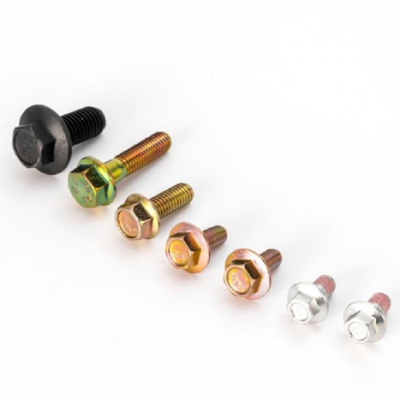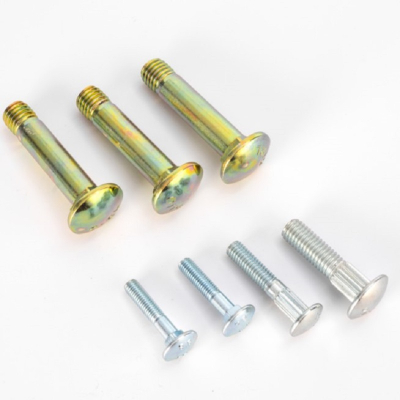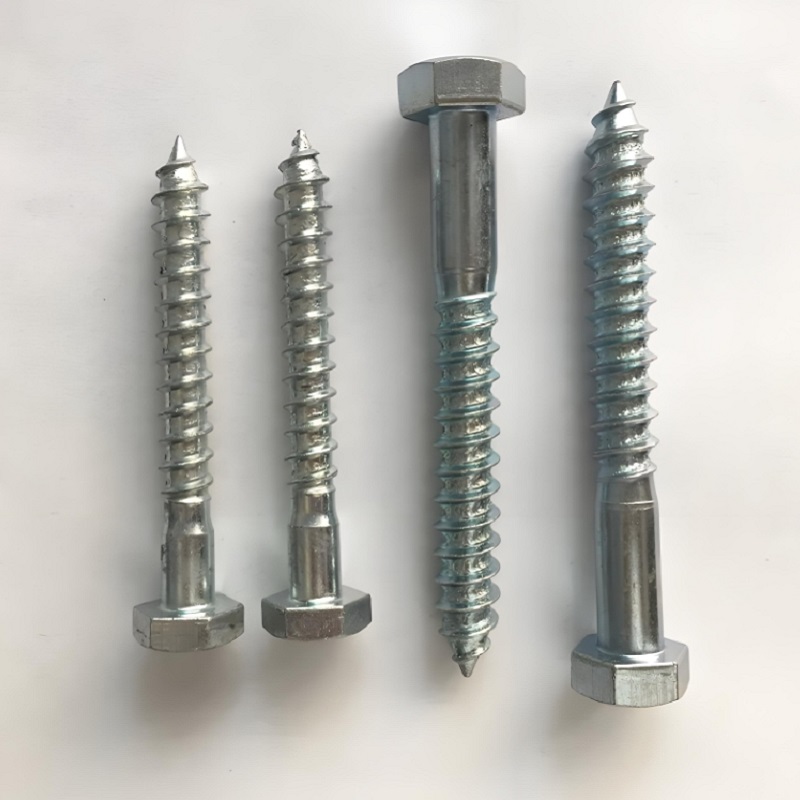
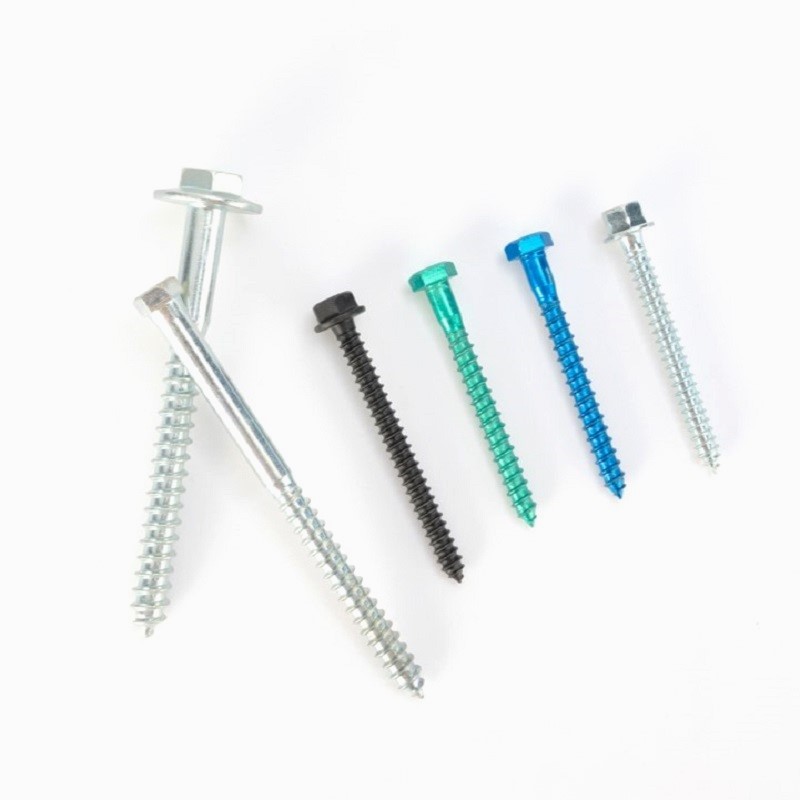
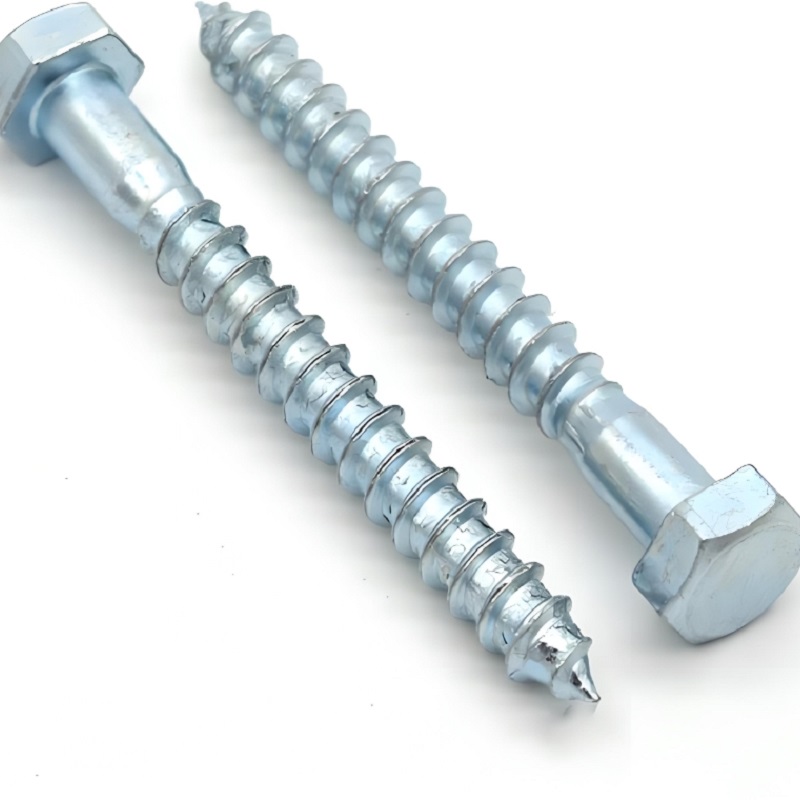
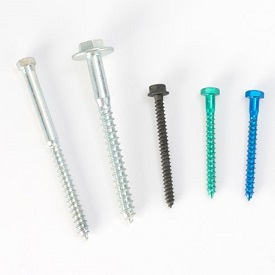
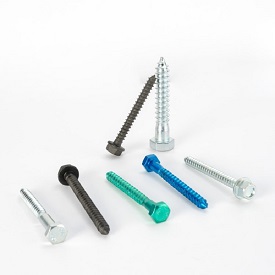
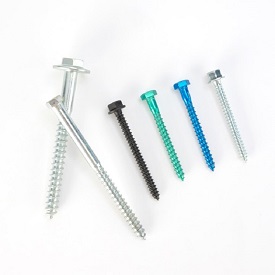
Hex Lag Screw
1.ASME B18.2.1-15 Hex Head Lag Screws
2.Own a factory. Eliminate the price difference of middlemen and enjoy price advantage.
3.Adopt top-quality thickened steel in the industry, ensuring high stability and long-lasting durability.
4.Support customer customization.
5. Provide professional sales and after-sales service. Welcome to inquire at any time.
6. Deliver on time.
When it comes to heavy-duty wood-to-wood or wood-to-masonry connections, nothing beats the hex lag screw. Built for strength, durability, and ease of use, hex lag screws (also known as lag bolts) are a go-to solution in construction, woodworking, decking, and home improvement projects.
Whether you're securing ledger boards, building a deck, or anchoring timber frames, a hex lag screw offers the robust fastening you need — without the hassle of nuts or washers. Let’s dive into why this simple, powerful screw belongs in every serious builder’s toolkit.
💬 “I used hex lag screws for my raised garden bed — strong grip, no splitting, and super easy with a power drill!”
— @BackyardDIYer
What Is a Hex Lag Screw?
A hex lag screw is a large-diameter wood screw with a hexagonal head, designed to be driven directly into wood or pre-drilled holes in masonry using a wrench or impact driver. These screws typically feature coarse threads and a sharp point that delivers maximum holding power in tough materials.
Unlike standard wood screws, hex lag screws are engineered for high-load applications and can handle both lateral and shear forces — making them essential for structural joints and outdoor assemblies.
Key Features of a Hex Lag Screw:
🔩 Hexagonal head for easy grip with socket wrenches or impact drivers
🌲 Deep threading ensures tight, secure fastening
🧱 Versatile — works with wood, concrete (with anchors), and masonry
🌧️ Available in stainless steel, galvanized, or zinc-coated finishes for corrosion resistance
🛠️ Sizes range from 1/4" to 1/2" diameter and up to 6" or more in length
💬 “I used hex lag screws to attach a swing set to pressure-treated posts. Rock solid after 2 years — no rust, no wobble!”
— @HomeFixerDad
Top Use Cases for Hex Lag Screws
Hex lag screws are one of the most reliable fasteners when working with dense or heavy materials. Common applications include:
✅ Deck construction (joists, beams, ledger boards)
✅ Retaining walls and timber frames
✅ Pergolas, fences, and outdoor structures
✅ Mounting heavy items to wood or masonry
✅ Securing posts to concrete with anchors
💬 “We rebuilt our front porch with 3/8” hex lag screws — those babies aren’t going anywhere!”
— @CraftsmanCrew
Application
Jinan Star Company specializes in the production of fastener products. Our bolts, nuts and other products are widely used in machinery, railways, automobiles, construction, electrical, bridges, communications, firefighting and other industries.
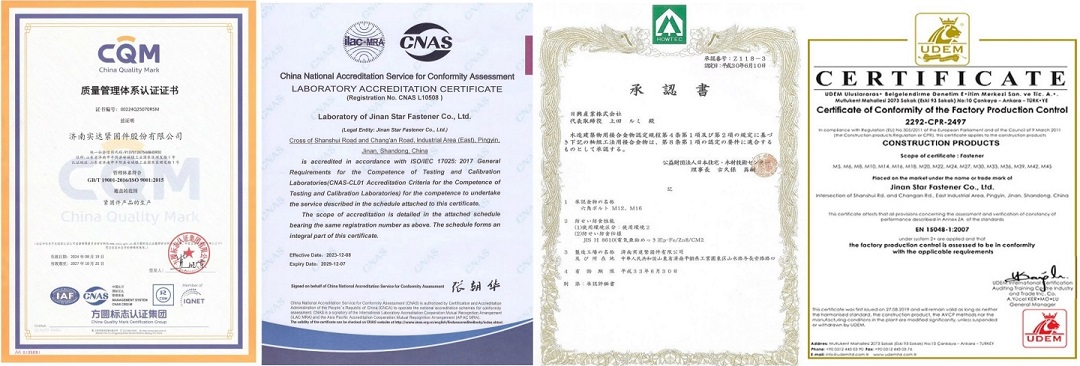
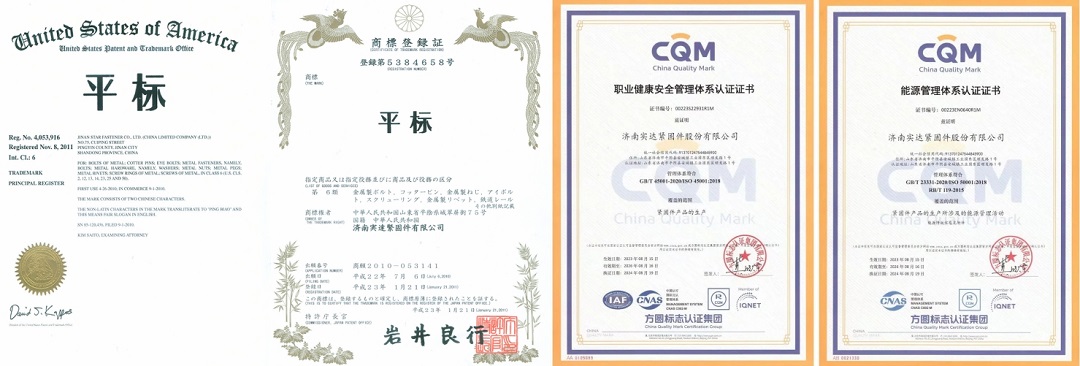
Certification

How to Install a Hex Lag Screw Properly
Installing a hex lag screw isn’t complicated, but a few steps ensure long-lasting results:
Drill a pilot hole — slightly smaller than the screw’s diameter
Use a washer — for better load distribution and to avoid wood crushing
Drive the screw with a socket wrench or impact driver
Avoid overtightening — snug fit is strong enough
Pro Tip: For masonry installation, use a lag shield or lead anchor inside the pre-drilled hole before inserting the lag screw.
Hex Lag Screw Materials: Which Should You Choose?
| Material | Best For |
|---|---|
| Zinc-Plated Steel | Indoor, dry environments |
| Hot-Dip Galvanized | Outdoor, high-humidity conditions |
| Stainless Steel | Coastal, marine, or chemical exposure |
| Black Oxide | Interior use with a sleek dark finish |
Real Buyer Reviews
⭐️⭐️⭐️⭐️⭐️
"Held up my deck for years!"
"We used 5” hex lag screws with no issues. Great grip and zero rust even in rainy seasons."
— @DeckItRight
⭐️⭐️⭐️⭐️
"Solid quality"
"Perfect for mounting our new barn doors. Hex head makes it easy to torque in tight spaces."
— @ToolTimeTom
⭐️⭐️⭐️⭐️⭐️
"Best value in bulk"
"Ordered a box of 100. Every hex lag screw was perfectly threaded. Saved a ton versus local store."
— @ContractorKev
FAQs About Hex Lag Screws
Q: Do I need to pre-drill for a hex lag screw?
A: Yes. Pre-drilling helps prevent wood splitting and ensures precise placement.
Q: Can I use hex lag screws in concrete?
A: Absolutely, but you’ll need masonry anchors or lag shields for a secure fit.
Q: What size should I use for deck joists?
A: 3/8” x 3” is a common size for deck ledger boards and joist hangers, but always check local code.
Pictures
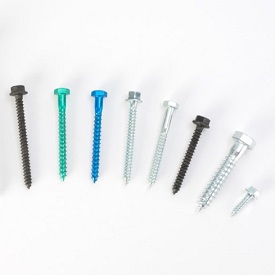
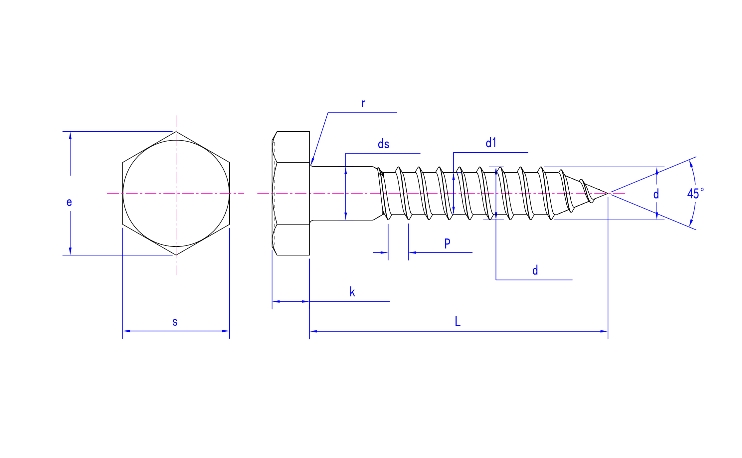
Product drawing