Round Head Bolts Material Guide: Carbon Steel, Stainless Steel & Alloy Steel
Round head bolts are widely used in machinery, furniture, construction and light-industry equipment. Choosing the right material directly affects service life, corrosion resistance and total cost. Below is a practical guide to the three most common materials.
1. Carbon Steel — The Cost-Effective Choice
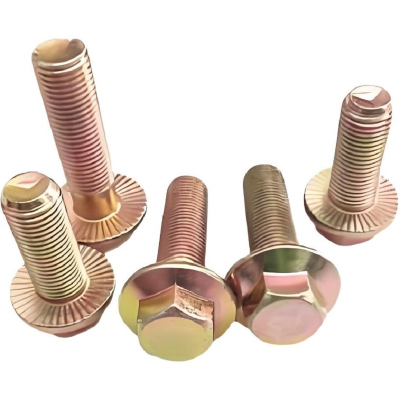
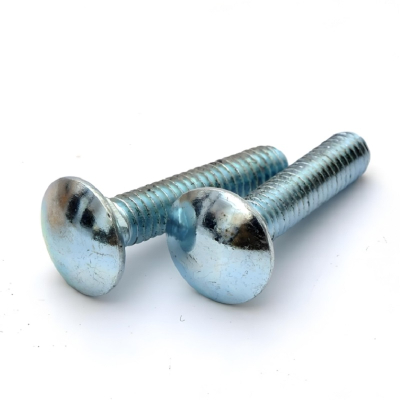
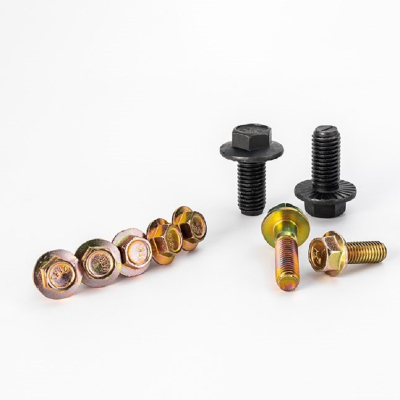
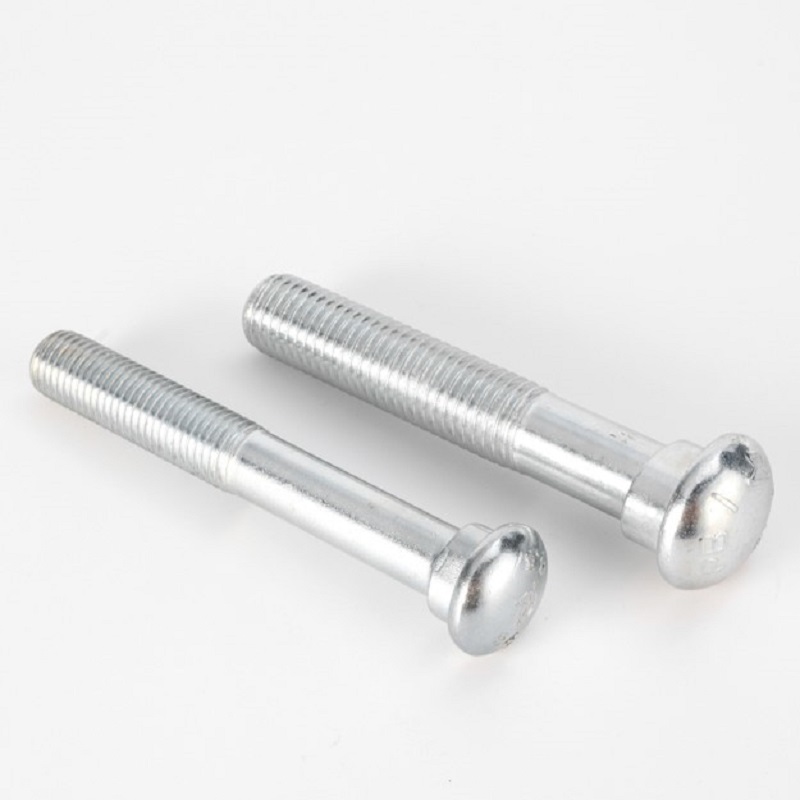
Carbon steel (e.g. Q235, Q345) is the most widely used and budget-friendly option. It offers good toughness and sufficient strength for light- to medium-duty fastening. Because bare carbon steel rusts easily in humid or outdoor environments, it is usually supplied with surface treatments such as galvanizing, black oxide or color zinc plating to extend service life.
Best for: dry indoor environments, general machinery, furniture, shelving and light structures.
2. Stainless Steel — For Corrosive Environments
Stainless steel round head bolts deliver excellent corrosion resistance with no extra surface treatment needed. Two grades dominate the market:
- 304 stainless steel — the versatile standard. Resists daily moisture and mild acid-alkaline corrosion. Suitable for humid indoor areas, ordinary outdoor use, food-processing equipment and civilian hardware.
- 316 stainless steel — the upgraded grade. With added molybdenum, it resists saltwater, chemical fumes and strong corrosive media. Ideal for marine equipment, chemical machinery and high-humidity, high-salt outdoor conditions.
3. Alloy Steel — For High-Strength Demands
Alloy steel (e.g. 35CrMo, 42CrMo) is engineered for heavy loads. After quenching and tempering, it reaches Grade 10.9 or 12.9 high strength, with outstanding fatigue resistance, high-temperature tolerance and wear resistance.
Best for: heavy machinery, engineering equipment, power facilities, shipbuilding and high-pressure applications where fastener safety is critical.
4.How to Choose
- General indoor, cost-sensitive projects → carbon steel with galvanized finish.
- Humid or mildly corrosive environments → 304 stainless steel.
- Marine, chemical or highly corrosive conditions → 316 stainless steel.
- Heavy-load, high-temperature or high-vibration applications → alloy steel (Grade 10.9/12.9).
Matching the material to your working conditions ensures connection safety and optimizes procurement cost. For custom specifications or bulk orders, contact our engineering team for a tailored recommendation.